Dental Office Cleaning Checklist: What Every Practice in South Jersey Needs to Know
If you run a dental practice in Atlantic or Cape May County, keeping your facility clean is not just about appearances. It is a clinical and legal obligation. A proper Dental Office Cleaning Checklist gives your team a reliable framework so nothing gets missed between patients, at the end of the day, or during those weekly deep-clean windows that every practice needs to build into the schedule.
This guide walks through what that checklist should actually contain, why each category matters, and how to know when your in-house cleaning routine needs professional backup.
Why a Dental Office Cleaning Checklist Is Different From General Office Cleaning
Most commercial cleaning standards are designed around general hygiene: surfaces look clean, floors are swept, restrooms are functional. Dental office cleaning operates under a different standard entirely.
Dental environments involve blood, saliva, aerosols, and contaminated instruments. Infection control in dental offices is a regulatory requirement, not a preference. OSHA, the CDC, and your state dental board all have documented expectations for how clinical spaces are maintained between patients and between business days. Failing to meet those standards puts patients at risk and exposes the practice to serious liability.
A well-structured Dental Office Cleaning Checklist separates tasks by frequency: what happens after every patient, what happens at the end of every clinical day, what happens weekly, and what requires periodic professional treatment. Practices that collapse all of these into a single loose routine are the ones that develop hygiene gaps they never intended.
The Between-Patient Checklist
These tasks happen in the operatory after every single patient leaves, before the next one is seated.
Operatory surfaces.
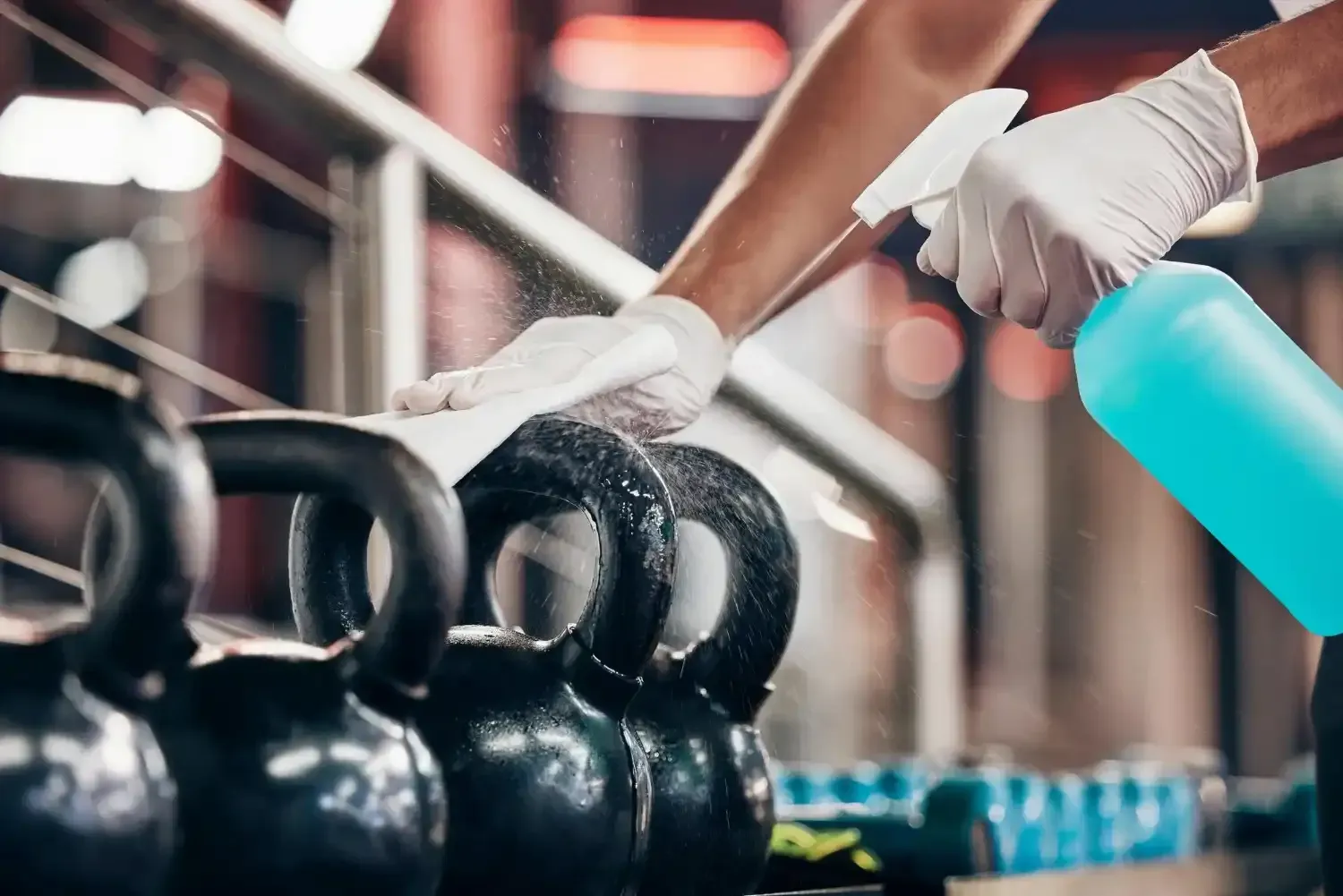
All clinical contact surfaces, including the chair, bracket table, delivery unit, light handles, and any equipment touched during the appointment, need to be disinfected with an EPA-registered disinfectant appropriate for dental environments. Wipe-down products designed for healthcare facility cleaning are formulated to kill pathogens at the surface level. General sprays are not a substitute.
Suction and waterlines.
Flush suction lines after every patient per your manufacturer's protocol and the CDC's recommendations. Waterline contamination is one of the more commonly cited infection control failures in dental audits, and it develops quietly.
Used instruments.
Remove, contain, and transport used instruments to the sterilization area immediately. Do not leave them on the bracket table between patients.
Barrier protection.
Replace any plastic barriers placed over equipment before the next patient is seated. Barriers are only effective when they are changed, not just checked.
The End-of-Day Clinical Cleaning Checklist
Dental clinic hygiene at the end of each business day goes significantly deeper than the between-patient routine.
- Operatory deep wipe-down. Every surface in every operatory gets a full wipe-down with a surface disinfectant, including areas that barriers covered. The goal is to leave no contaminated surface to sit overnight.
- Sterilization area. The sterilization room or area requires specific daily attention. All surfaces should be disinfected. Autoclave or sterilizer maintenance should follow manufacturer guidelines, including checking chamber seals and running biological indicators on the schedule your office protocol establishes. Sterilization in dental clinics is a process, not a moment. The equipment that supports it needs consistent maintenance to function correctly.
- Instrument processing documentation. Record sterilization cycle results as part of the daily close. This is part of infection control in dental offices at the documentation level, which matters when regulatory agencies review your records.
- Floors. Operatory and clinical area floors should be mopped with a disinfecting solution daily, not just swept. This is a healthcare facility cleaning standard that general commercial cleaning skips when the facility is not properly briefed.
- Restrooms. Patient and staff restrooms need full disinfection at end of day: toilets, sinks, faucet handles, door handles, and counters. High-touch points carry pathogen load that accumulates significantly by the end of a busy patient day.
- Front desk and administrative areas. Keyboards, phones, counters, pens, and payment terminals are touched by dozens of patients. These surfaces often receive less attention than clinical areas, but they carry significant contact contamination risk. Wipe them down thoroughly at end of day.
The Weekly Deep Clean: What the Dental Practice Cleaning Checklist Needs to Include
The daily routine maintains a baseline. Weekly cleaning addresses what accumulates past that baseline through repeated clinical use.
Waiting room cleaning.
Waiting room cleaning tips often underestimate how much contamination accumulates in that space. Patients who are unwell, children, and individuals from diverse exposure environments cycle through waiting rooms continuously. Chairs, armrests, side tables, magazine holders, children's toy areas, and door handles all need disinfection beyond the basic daily wipe. A dental clinic cleaning standard for the waiting area should treat it as a quasi-clinical space, not a lobby.
Blinds, vents, and light fixtures.
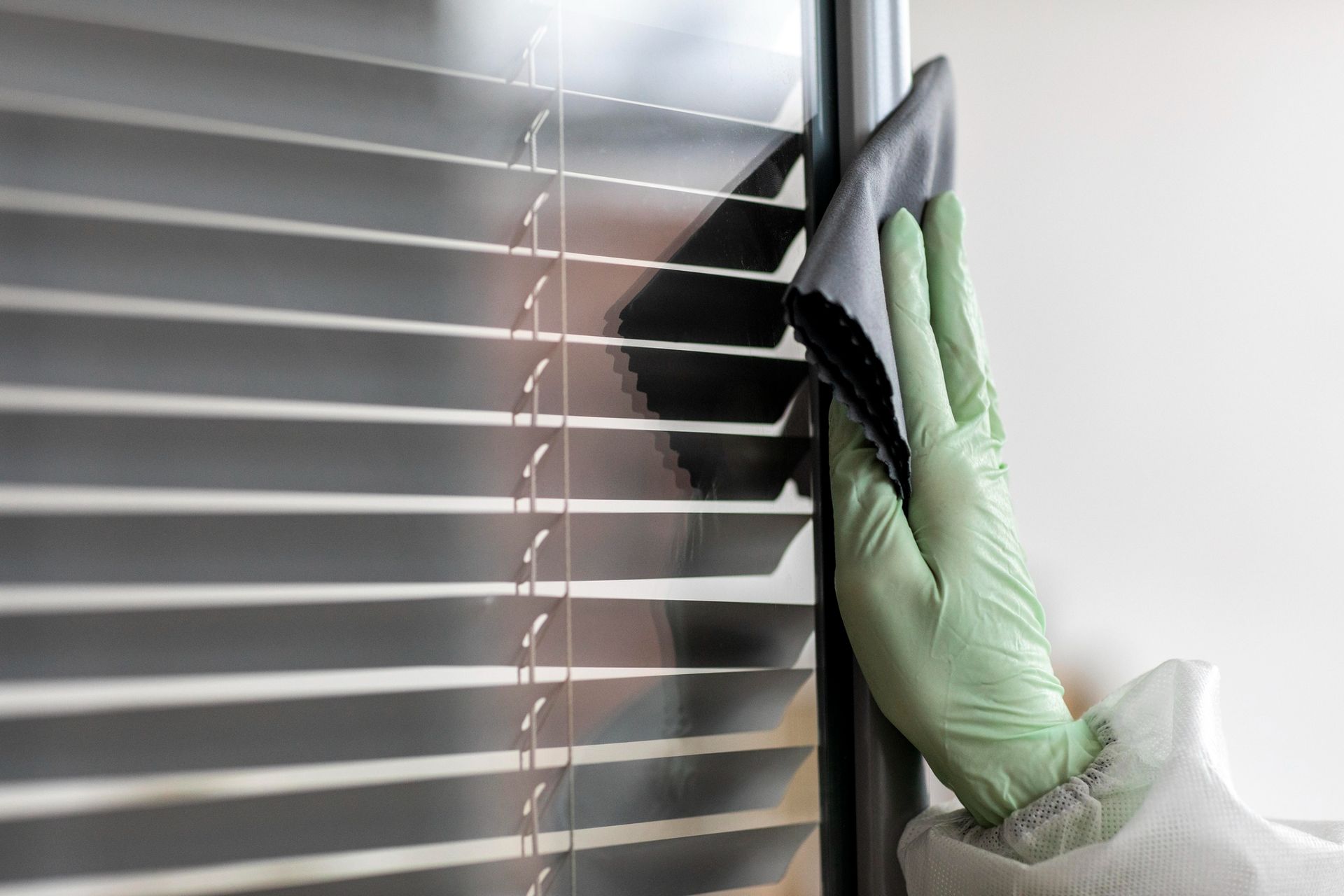
Dust accumulates on horizontal surfaces that daily cleaning does not typically address. Particulate matter, including aerosols from clinical procedures, can settle on vents and horizontal surfaces throughout the week. Professional cleaning of these areas on a weekly or bi-weekly basis maintains the clean dental clinic environment that both patients and staff deserve.
Baseboards and floor edges.
Floor edges and baseboard areas collect the kind of debris that mopping moves rather than removes. Weekly attention to these areas prevents the buildup that becomes a visual and hygienic problem over time.
Storage areas and supply closets.
Cross-contamination risk exists anywhere sterile supplies and clinical materials are stored. Storage areas should be organized, wiped down, and checked for expired or improperly stored items on a weekly basis.
Dental Office Maintenance: The Areas Most Practices Overlook
Every Dental Office Cleaning Checklist should address a few categories that commonly slip through the routine, particularly in practices where cleaning responsibilities are shared among clinical staff who are primarily trained as clinicians, not cleaners.
- HVAC and air quality. Dental aerosols carry bacteria and viral particles. HVAC systems that are not regularly maintained recirculate those particles through clinical and waiting areas. Filter changes and duct cleaning fall under dental office maintenance in ways that practices do not always recognize as cleaning tasks.
- Upholstery. Patient chair upholstery and waiting room seating absorbs odors and particulates over time in ways that disinfectant wipes do not fully address at the surface level. Professional upholstery cleaning, done periodically, pulls out what has worked below the surface and extends the life of the material while reducing embedded odor.
- Grout and tile. Treatment room and restroom tile grout darkens and accumulates bacteria at a rate that surface mopping does not resolve. Professional tile and grout cleaning reaches the contamination that lives in the grout line, which daily cleaning cannot fully address regardless of the product used.
- Exterior entry areas. The path from the parking lot to the front door is the first surface most patients touch. Power washing the entry and walkway area periodically removes the grime, mold, and particulate buildup that patients track into the clean dental clinic environment you work to maintain inside.
Dental Office Sanitation: Where Professional Commercial Cleaning Comes In
Dental office disinfecting at the clinical level is the practice's responsibility and the clinical staff's domain. But the broader scope of dental office sanitation, from carpeted waiting areas to restrooms to tile grout to exterior surfaces, benefits from professional commercial cleaning that goes deeper than what in-house routine can deliver.
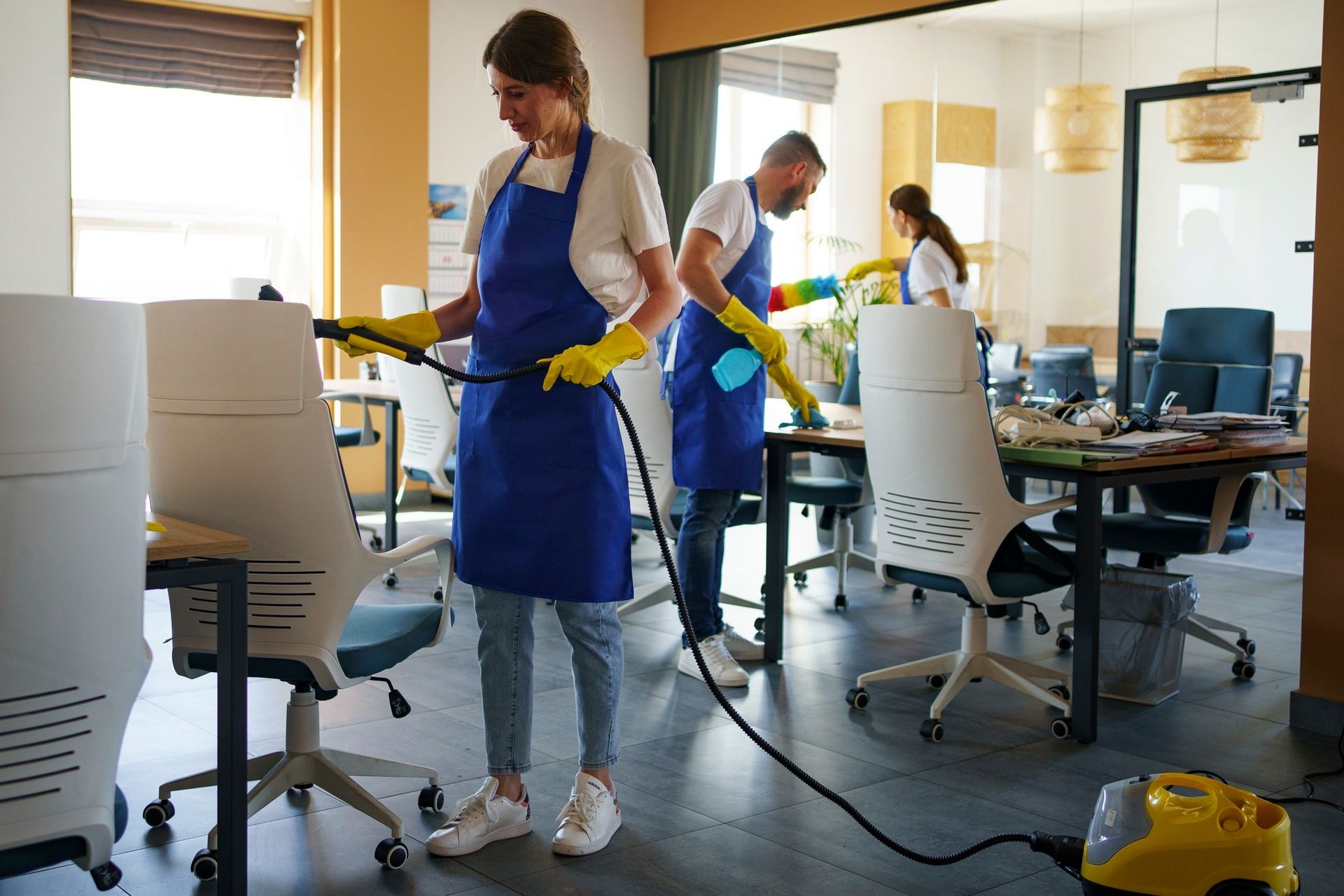
Commercial cleaning for dental offices is different from general janitorial service. A company that understands healthcare facility cleaning knows which products are appropriate in clinical-adjacent environments, which surfaces require extra attention, and how to structure a cleaning program that complements the infection control protocols your practice has already established.
Dental office cleaning tips from clinical consultants consistently point to the same gap: practices manage clinical contamination well because they are trained to, but the non-clinical areas, the waiting room, the restrooms, the hallways, the tile floors, the exterior surfaces, receive attention that does not match the cleanliness standard the rest of the facility is held to.
Professional cleaning fills that gap without requiring clinical staff to take on tasks outside their training and primary responsibilities.
Conclusion: How Offshore Carpet Cleaning and Janitorial Services Supports Dental Offices in Atlantic and Cape May Counties
A complete Dental Office Cleaning Checklist is the framework. Keeping up with every item on it, every day, every week, every month, is where most practices need a reliable professional partner.
Offshore Carpet Cleaning and Janitorial Services has been serving commercial facilities across Atlantic and Cape May Counties since 2013. Founded by Ed Reese, a lifelong South Jersey resident who recognized the shortage of quality commercial cleaning in this region, Offshore has spent over a decade building a client base that includes law offices, hotel groups, yacht and country clubs, and professional medical and clinical facilities. Commercial janitorial services were added to the practice in 2015 specifically to serve the commercial businesses across this region that needed a higher standard than what was available.
For dental practices, we provide commercial cleaning for dental offices that addresses the areas your daily clinical routine does not reach: professional carpet and upholstery cleaning for waiting rooms, tile and grout cleaning for treatment rooms and restrooms, power washing for exterior entry areas, and recurring janitorial service that keeps the non-clinical areas of your facility at a standard that matches your clinical spaces.
We use professional-grade, eco-friendly products safe for healthcare-adjacent environments. Every job is backed by a 100% satisfaction guarantee. We are licensed and insured, available 24/7 including weekends, and organic cleaning options are available for practices that require them.
If your dental practice in Atlantic or Cape May County needs a professional cleaning partner that understands the specific demands of a dental clinic environment, call Offshore Carpet Cleaning and Janitorial Services at 609-365-8045 or visit offshorepropertyservices.com to schedule a walk-through and free estimate.